( below) The SV Manawanui
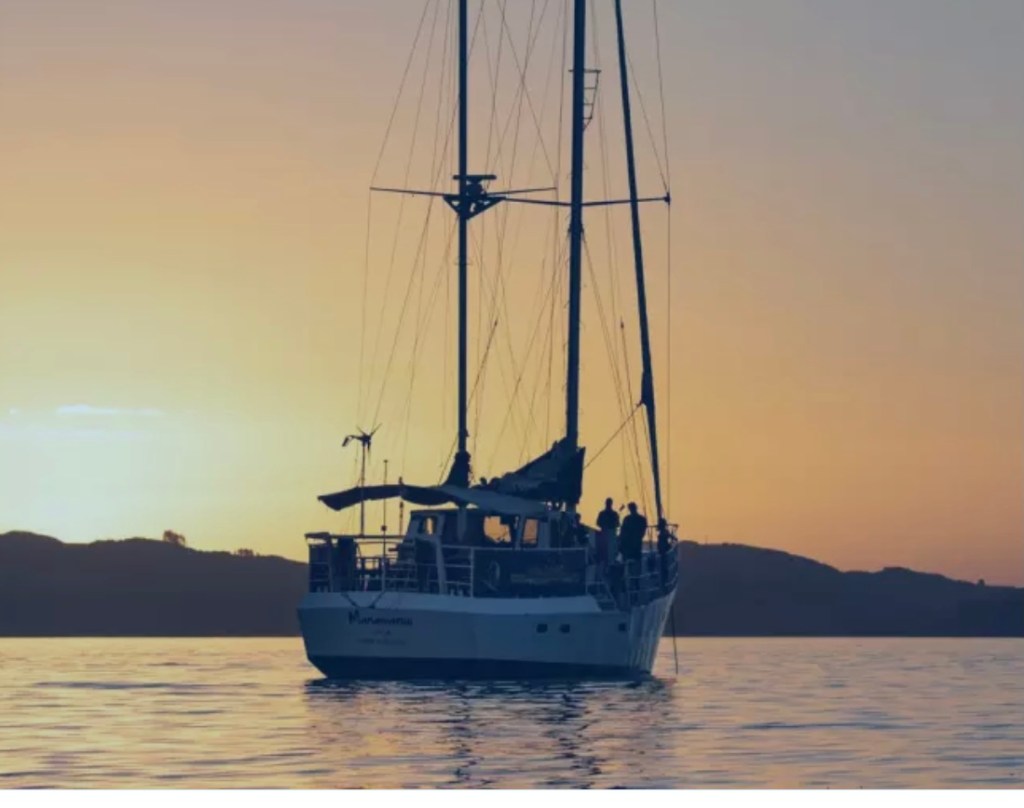
What is the Manawanui project?
The Manawanui project is the ongoing work of an international team that have joined forces to help the Temotu island populations to develop resilience against the effects of climate change.
Through a grass root approach in collaboration with local chiefs and their communities, our team provides initial on-site assistance with the aim to launch local initiatives, that foster ideas around local shipping, food production, food security and communication to future proof their self-sustainability.
Reciprocal we hope to gain insight into the collective mindset and the knowledge tools that allowed the cultures on some of these tiny, fragile and isolated Islands to live sustainable for millennia. This insight, in turn, will help our communities in our home country do develop strategies that are need for a shift in paradigm, so these communities can successfully work towards a more sustainable future.
Where is Temotu?
Temotu represents the easternmost province within the Solomon Islands.
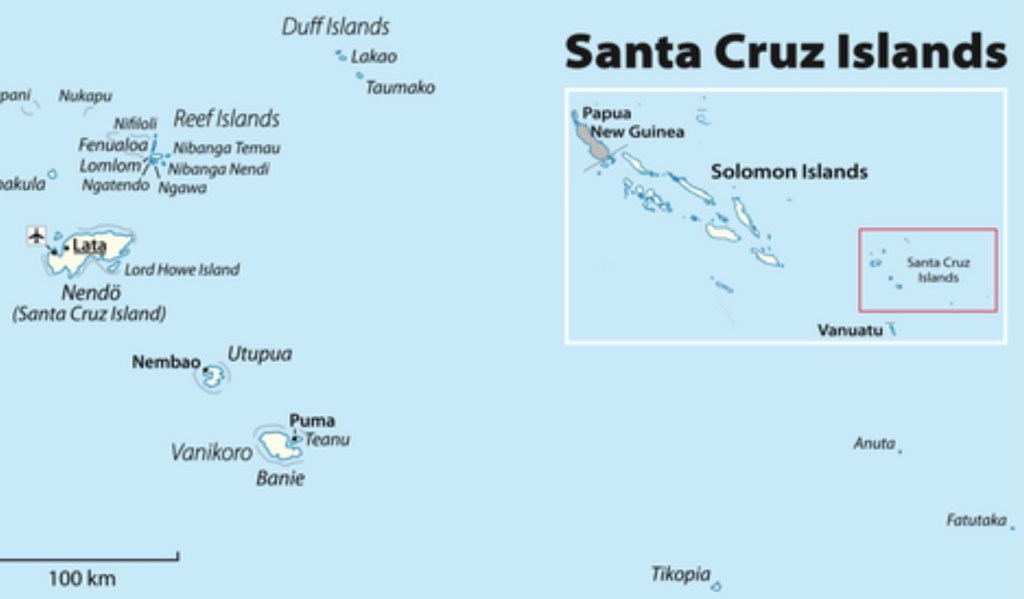
The Islands of Tikopia, Anuta, Vanikoro, Utupua, Nendo, Reef Islands and Taumako are located between the latitude 09°45 S and 12°18 S and longitude 165°42 E and 169°51 E.
The culture of the Solomon Islands is predominantly Melanesian, but the islands in the Temotu region are Polynesian outposts or have a significant Polynesian population.
(below) traditional canoe . These crafts ares still widely used and are very much part of a sustainable way of life
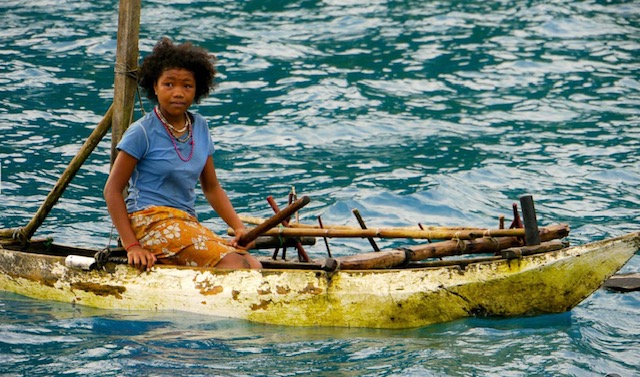
The isolated nature of these islands creates unfavorable conditions for commercial shipping, and their distance from the predominantly Melanesian capital Honiara may explain why the central government often struggles to provide assistance to Temotu during times of crisis.
Why are we working in Temotu?
We are committed to this project because several team members have fostered lasting friendships with the people of Temotu through past humanitarian projects and are being asked directly for help by the chiefs.
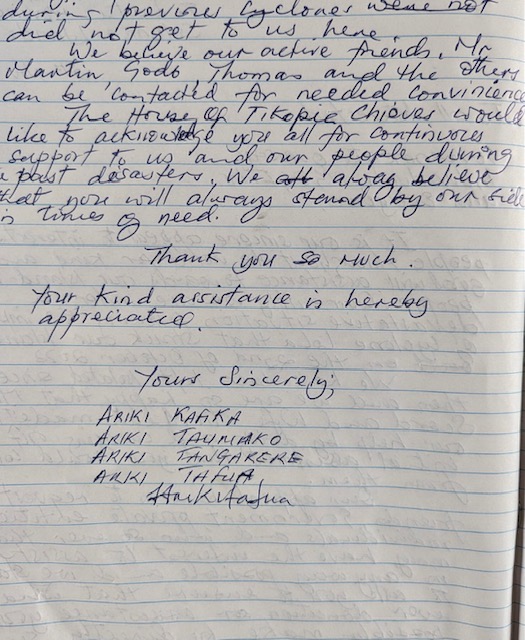
( below) letters from the Arikis in Tikopia asking for help
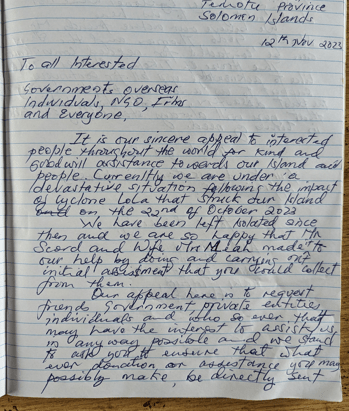
The Problem
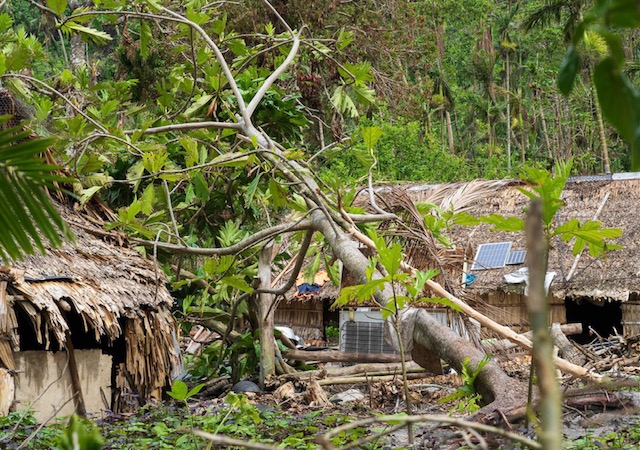
The recent cyclone Lola, which occurred out of season in October 2023, caused extensive damage to the houses and gardens on the Islands of Anuta and Tikopia.
( below) destruction after the out of saison cyclone Lola in October 2023
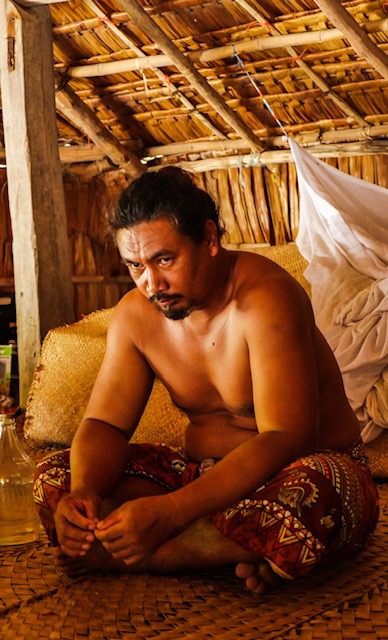
Despite challenges, we were able to establish a brief communication window with Tikopia, allowing us to assess the damage and understand the urgent needs communicated by the Arikis (chiefs).
( below) Ariki Kafika, one of the chiefs who asked for help
Several of our team members, who have either been involved in previous programs in Temotu or originate from there, have sprung into action. Through crowd funding we were able to collect money to purchase urgent needed supplies. But the delivery of these supplies turned out to be near impossible. While this experience might have been frustrating, it only inspired us to find a solution.
The Manawanui Project was born.
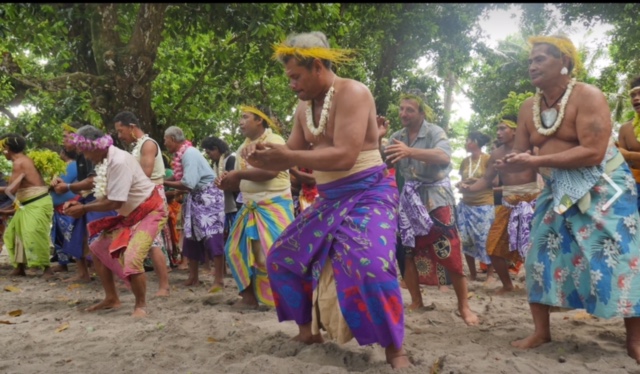
In ancient times and up to recently, these communities have successfully dealt with occasional destructive forces of nature by relying on their traditional practices.
(below) a welcome on a previous expeditions.
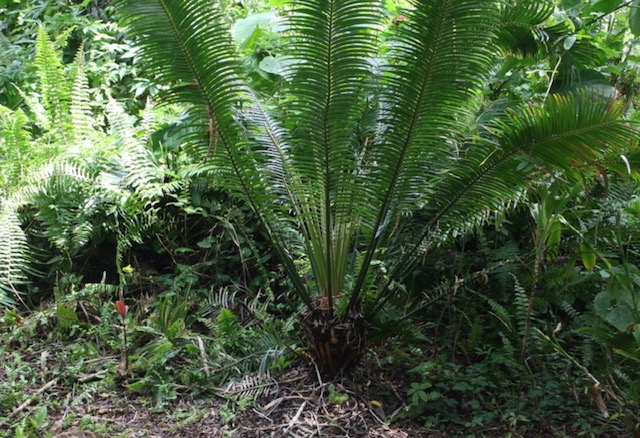
They had prepared themselves with underground food storage facilities during times of abundance, set aside building materials for emergencies, and utilized caves as emergency shelters. Additionally, their fish stock had remained largely unaffected. However, the increasing frequency and intensity of cyclones, caused by global warming, have made it difficult for these islands to sustain their resources for emergencies. For instance, the young sago palm saplings, once grown to maturity ,are crucial for building materials and long-lasting food, now no longer have enough time to mature between cyclones. This also applies to the breadfruit and other crop bearing trees that are felled by a cyclone.
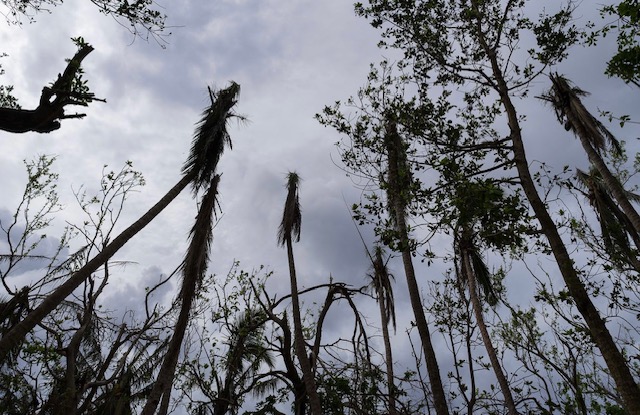
( above) Cyclone damaged and dying sago palms
(below) young sago palm. It will take many years for this tree to grow to maturity.
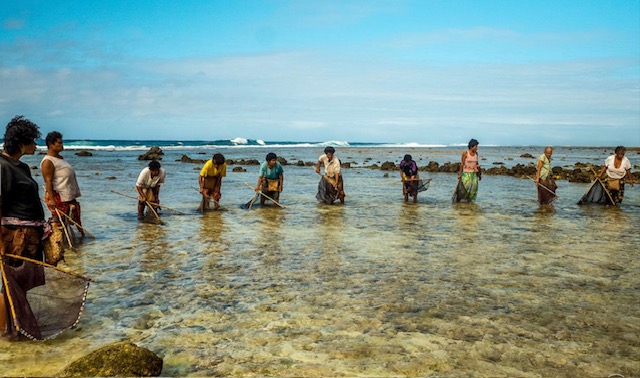
Furthermore, warming ocean temperatures, coral bleaching, and overfishing poses new threats to the fish stock.
( below) traditional method of reef fishing
While traditional methods may no longer be sufficient for dealing with these more frequent events in an individual, isolated community, they still hold value if communities within the wider Temotu group come together.
It is our strong belief that our future will depend on the willingness and ability of neighbouring communities everywhere to stand together in times of need.
Unfortunately, the lack of reliable communication, safe shipping, and historical hostilities between some Islands present challenges to this needed collaborative effort. This is where the Manawanui Project offers solutions .
Our expertise:
Some members of our team are either from Temotu or have spent extensive periods of time residing in various communities on the islands. During their stay, they have not only observed studied and documented the unique customs and culture of these communities but have also immersed themselves in the local way of life. We have a team member who as excellent knowledge of the many uncharted waters intrepid region. Additionally, we are fortunate to have team members who possess a profound understanding of climate dynamics and the potential disastrous outcomes that may arise if the delicate equilibrium of nature is disturbed through changing climate. We are fortunate to have in our team a member who is leading research in disarmament and conflict resolution. And we have the vessel and a track record to lead such an expedition.
The answer:
By pulling these resources together and combining the ancient customs and the wisdom of the local chiefs with the cornerstone of democracy, such as open dialogue and respect for different opinions, we aim to address the challenges faced by our warming world and its effects not only in Temotu. We aim to come back with tools that will also help our communities back home to face these challenges.
But in Temotu, the knowledge of sailing, combined with a modern equipped sailing vessels will ultimately provide safer and more reliable means of transportation for goods and people.
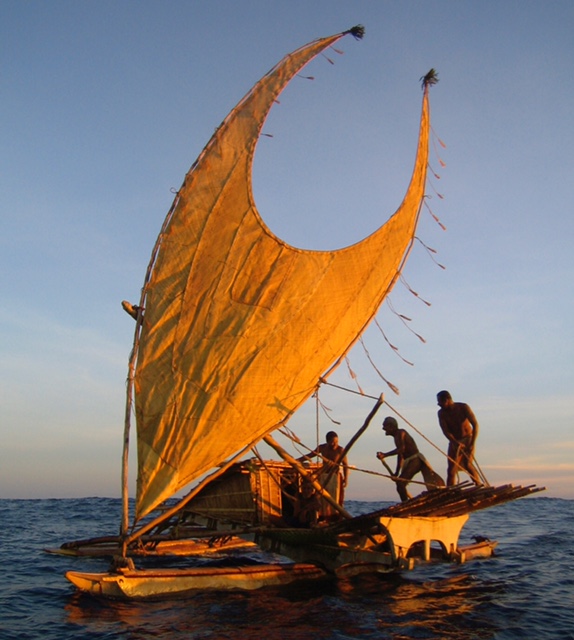
( below) traditional outrigger canoe of Taumako. These knowledge to navigate and to build these vessels is a cultural treasure that needs to be preserved.
At the same time, the captains of the now used open boats with outboard motors (OBMs) can be skilled up to maintain their vessels and engines and by providing them with radios, emergency sails and rudders that we will donate, we will contribute towards the safety of their passengers.
( below) much open ocean voyages are now done in fast motorised open boats. But the risks are obvious.
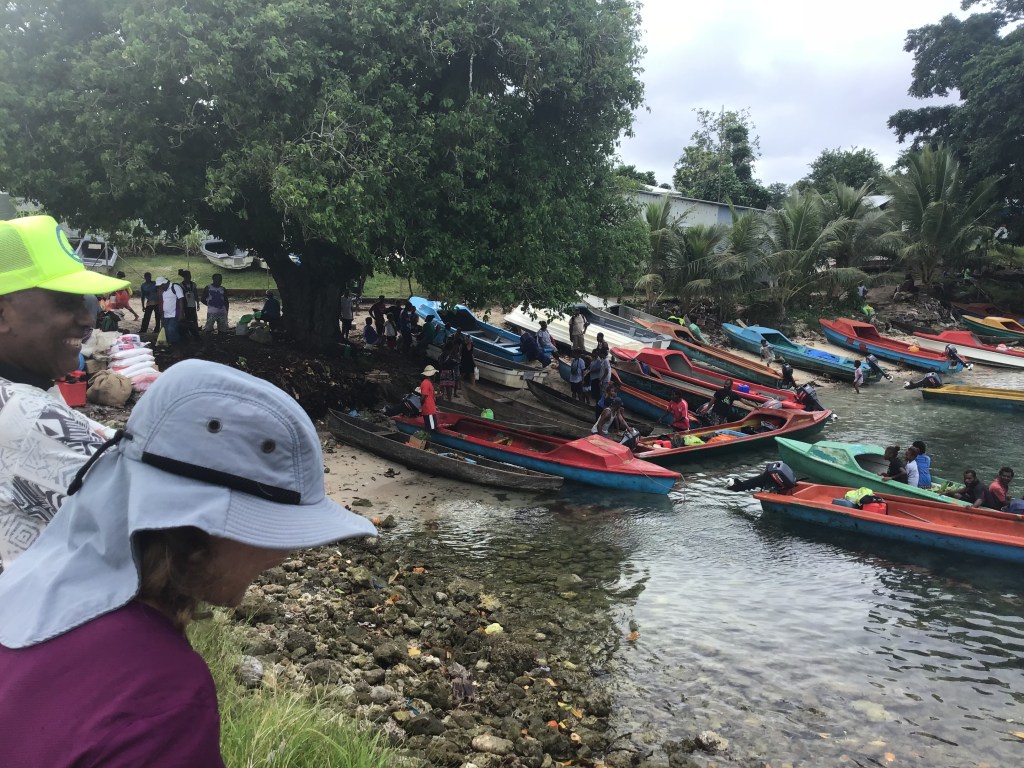
Traditional hospitality towards visitors will help us provide the answers to lay old hostilities aside among different tribes if modern ways of communication can be used.
Ancient knowledge on how to prepare long lasting food storages can be used to provide provisions for neighbourhoods and neighbouring islands that have been struck by disaster . Improved local transport will allow gardeners to commute between Islands and to ship supplies faster to communities where they are needed. Our vessel, the SY MANAWANUI, will be crucial in opening these lines of inter-island communication.
In return we will document and bring home any apparent aspects of sustainable practices that can be learned or transferred to equip our modern communities with skills need to adapt to a changing climate.
Action Plan
In August 2025, our dedicated team will embark on an expedition aboard the SY Manawanui, heading towards Temotu. One part of our mission is to deliver essential items that are scarce in Temotu, including hand tools, radio transmitters, maybe Starlink units, small sails, life vests, tarpaulins, as well as educational materials on climate change for schools and adult training. The SY Manawanui has a 16m2 dedicated dry cargo hold that we will fill with donated supplies.
While some of the island chiefs are expecting and awaiting our arrival, our local team members will play a crucial role in facilitating dialogue with community chiefs who may not be aware of our project. This dialogue and discussion will be the essence to mutual understanding and learning and will refine the ideas around a solution for a sustainable future for Temotu.
( below) The tiny Island of Tikopia is sustainable supporting 1200 people since 3000 years . How did the people manage to do this.
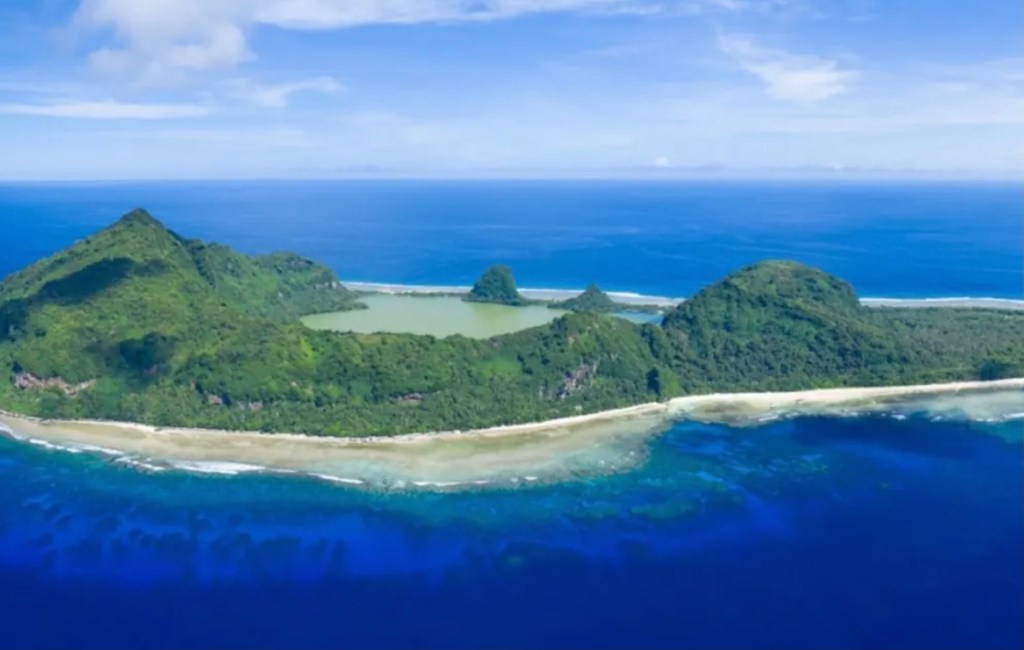
By November 2025, we will return to New Zealand and review the knowledge we have gained. This reflection and evaluation will serve as the foundation for planning our next voyage.
Ultimately, our collective efforts aim to establish a self-sustainable approach to climate change resilience for the islands in Temotu. The purchase of the SY MANAWANUI is the anchor to our project.
It is envisaged that by the third year, we will have a local Temotu coordinator, skipper and trained crew along with support staff (mechanic/engineer) to enable continued operation of the vessel as an inter-island freighter.
There will still be ongoing governance by the New Zealand trustees who will liaise and assist with the distribution of funding for essential goods and services to enable the continued smooth operation of the SY MANAWANUI.
Join us in making a difference today!
 Manawanui Project