
Why is there a tropic bird in our logo…
you might ask.
Well, there is a magical story behind this choice—one that some of our team members witnessed and will never forget.
The reason we paid particular attention to the fate of the Tikopians, when Cyclone Lola destroyed the food crops on their island, originates in this story. As you know, this attention subsequently led to the founding of our charity.
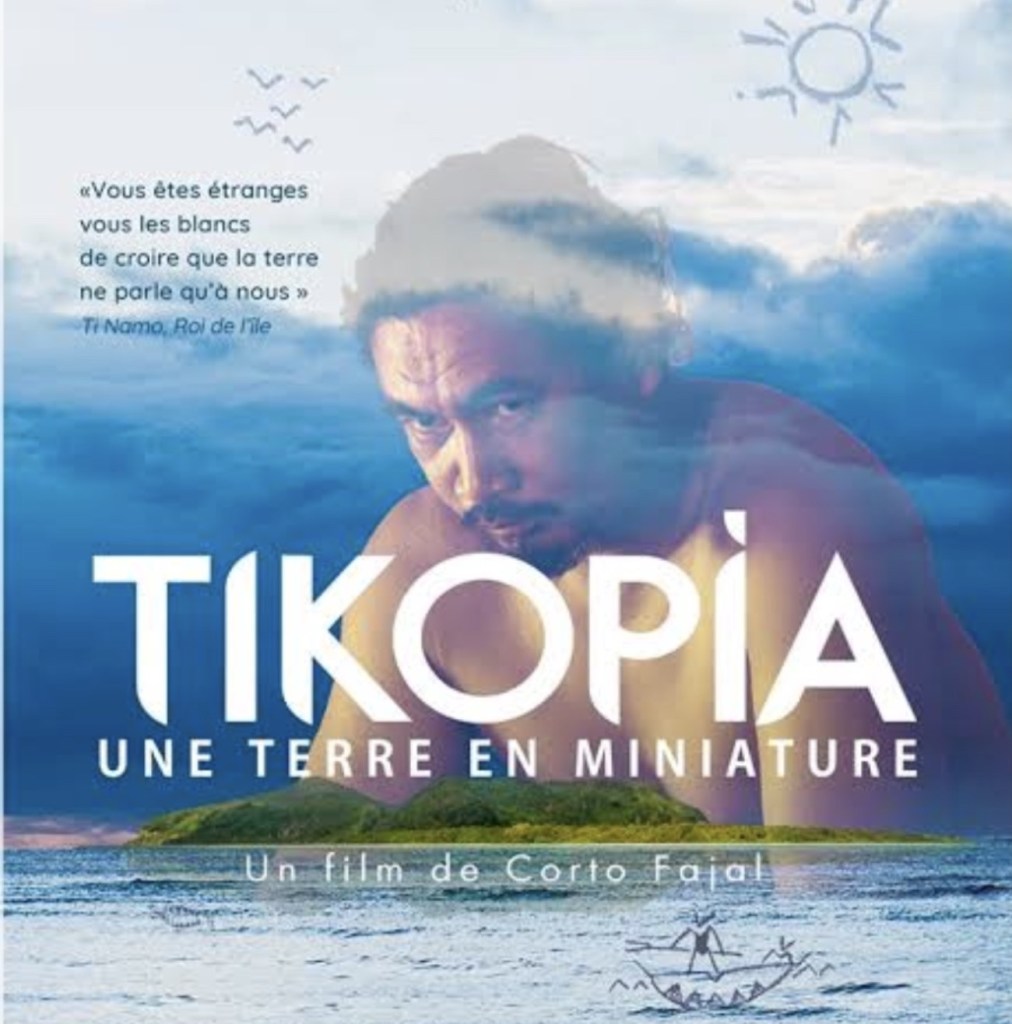
In 2016, we were contracted by our team member, Corto Fajal, to sail our expedition vessel—the 65’ Dona Catharina—to Tikopia, where Corto and his team wanted to film the final footage for his prize-winning documentary, Nous Tikopia.
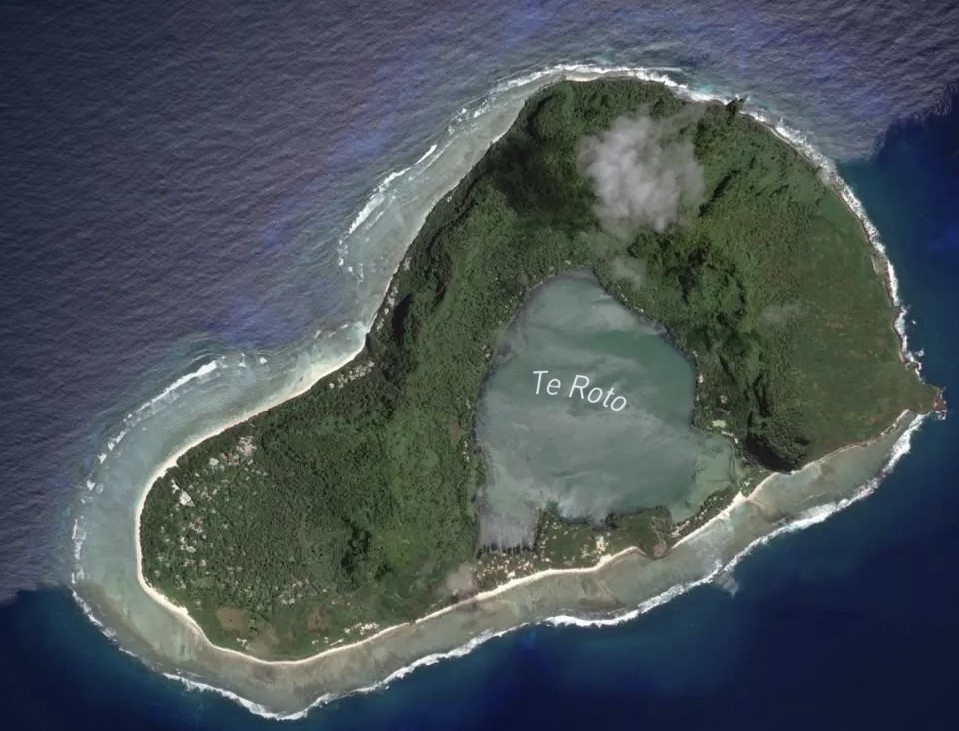
Tikopia is a tiny, remote speck of land in the South Pacific Ocean. It consists of about 5 km², mostly steep volcanic cliffs. A crater lake at sea level is surrounded by a small stretch of flat land, where the islanders build their traditional huts. The rest of the land—often very steep—is used for forest gardens. Even the nearly vertical edges of the extinct volcano are cultivated. Despite its challenging geography, the island must feed some 1,200 souls, and thanks to the sustainable practices of its inhabitants, it has done so successfully since the first voyaging canoes of the Lapita people landed on its shores some 3,000 years ago.
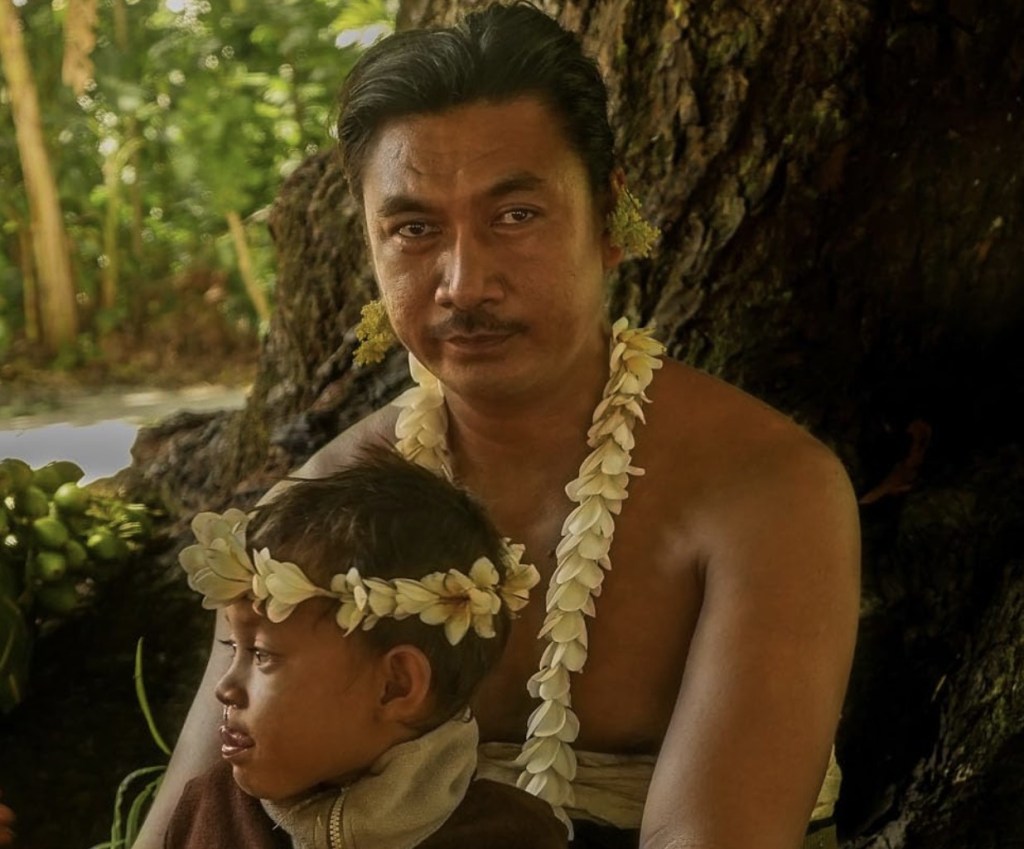
Today, Tikopia’s population is Polynesian, and the art of managing its limited resources rests in the hands of its four chiefs—the Arikis. The youngest of them is Ariki Kafika.
Corto’s film documents Ariki Kafika’s deep connection to the ways of his ancestors and his special relationship with the island. In the film, Ariki Kafika speaks to his island. The island speaks to him. Together, they discuss the past and the future of their people. Can the island provide answers to the new challenges modernity brings to Tikopia? Climate change, the arrival of the internet, and better wages in the distant capital of Honiara that lure away the youth—these are just some of the pressing questions. This dialogue between Ariki Kafika and his ancestral homeland is beautifully captured in Corto’s film.
For those of us who sailed to Tikopia, immersion in its culture was not just desired—it was unavoidable. Dona Catharina was anchored in the island’s lee. For three weeks, the trade wind blew, strong and steady from the southeast, just as the weather statistics had predicted.
There is no harbor on Tikopia—had the wind changed, we would have been forced to leave immediately. But the trades held steady, just as expected.
Finally, Corto’s team had the footage they needed, and we informed the Tikopians of our departure. But we were not to leave without a grand farewell feast in our honor. Half the population prepared the feast in Ariki Kafika’s village, while the rest took us on a hike around their volcanic island.
Walking along the beaches was easy, but climbing the sheer cliffs at dizzying heights—where the breakers crashed far below—was a different story. For us visitors, it was only possible with sturdy shoes, and even then, only because the islanders dug steps for us as we crawled along. On the most difficult and slippery passages, they even placed their bare feet in front of ours to ensure we did not slip and fall to certain death in the churning waters below.
One young man picked up a round stone, about the size of a football, and as we clung to the cliffs for dear life, he tossed it into the air and caught it again in a game. This went on for hours.
Finally, I asked, “Why are you doing this?”
He smiled and said, “I will take this stone home and place it in front of my house—it will help me remember this joyful day.”
“A Tikopian photo?” I asked.
He laughed.
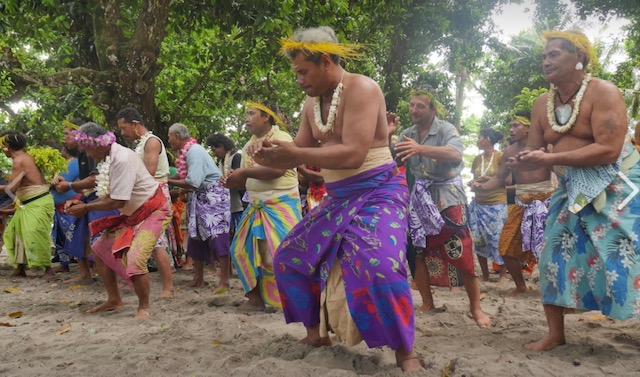
At last, exhausted, we arrived at the feast. I won’t elaborate on all the foods prepared or the mesmerizing dances performed for us.
I sat beside Ariki Kafika and we talked about many of the topics covered in the film – climate change, plastic pollution and other global issues affecting us all.
I also mentioned that I was not looking forward to the voyage south toward Vanuatu, as it would mean several days of hard beating into the relentless trade winds.
Ariki Kafika looked at me and, after a pause, said:
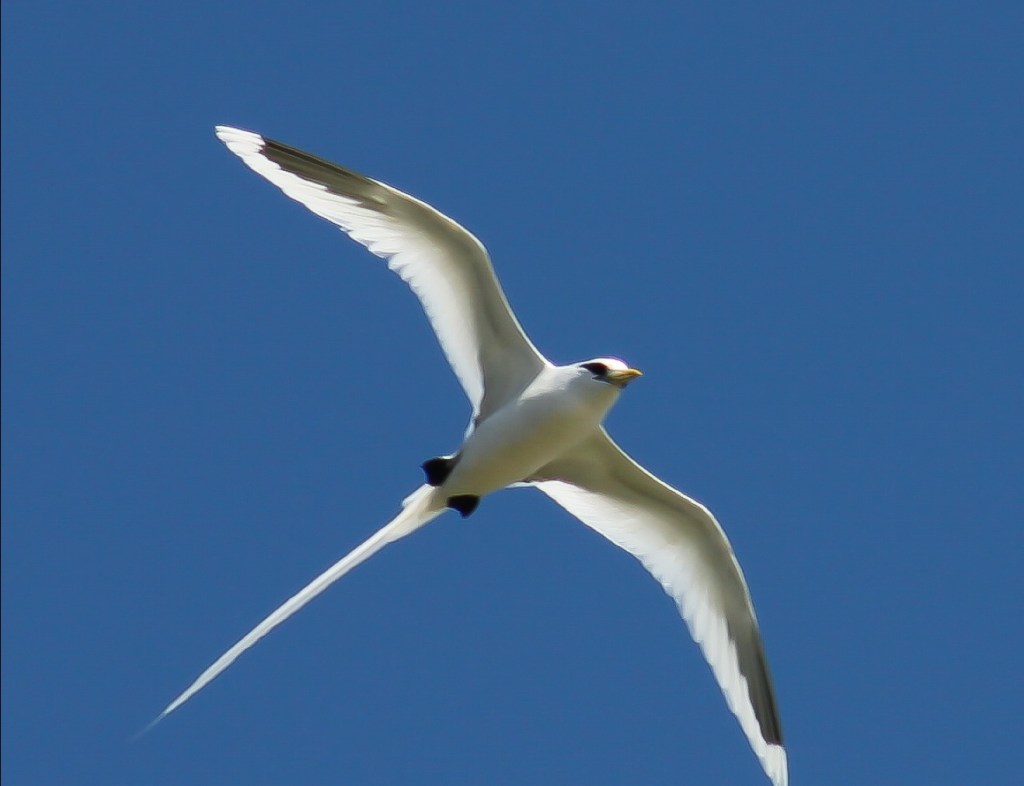
“Martin, don’t you worry. Tomorrow, I will change into a bird, and I will change the wind for you.”
I shrugged this off, enjoying the rest of the evening – the dancing and the music.
Early the next morning, we weighed anchor. One of our farewell gifts to the Tikopians had been a handheld VHF radio. Soon, we were out of the island’s lee, and sure enough, the trade winds laid Dona Catharina hard over on her starboard side, sending spray flying over the deck as we crashed into the waves.
Our onboard VHF crackled:
“Dona Catharina, Dona Catharina—this is Tikopia. This is Tikopia.”
Our friends were having fun with their new radio.
We, however, were having less fun as the ship slammed against the wind and waves. For about 10 miles—two long hours—we received frequent calls from Tikopia. Then, we sailed out of range.
And at that very moment—just as the radio fell silent—the relentless southeast trade winds died completely.
The rough sea calmed almost instantly. From the direction of Tikopia, a white bird flew toward Dona Catharina. A tropic bird. It is rare to see one at sea, but I had never seen one approach my vessel before. This one began circling our mast.
Then, the wind picked up again—but now from the northeast. Perfect for heading south.
We looked at one another in astonishment. How was this possible? Statistically, this wind does not exist at this time of year.
Of course, we could reason that Ariki Kafika—so attuned to the 3,000 years of culture and nature surrounding his island—had sensed this change coming. But what about the tropic bird? Could this still be mere coincidence, after Ariki Kafika had predicted it so precisely?
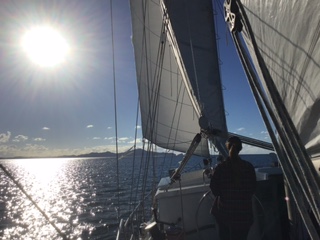
Two years later, a different expedition with a different crew brought Dona Catharina back to Tikopia. Naturally, I had to tell Ariki Kafika what had happened on our last voyage.
“I told you so,” was his slightly offended reply.
His eyes spoke what his words did not—How could you have doubted me?
An offshore opportunity
In total there are 3 voyages planned from New Zealand to Temotu. 2025/26/27
All crew spaces for the 2025 voyage are now filled. Please contact us early if you don’t want to miss out on the 2026 or 2027 voyage.
Ready for the adventure of a lifetime?
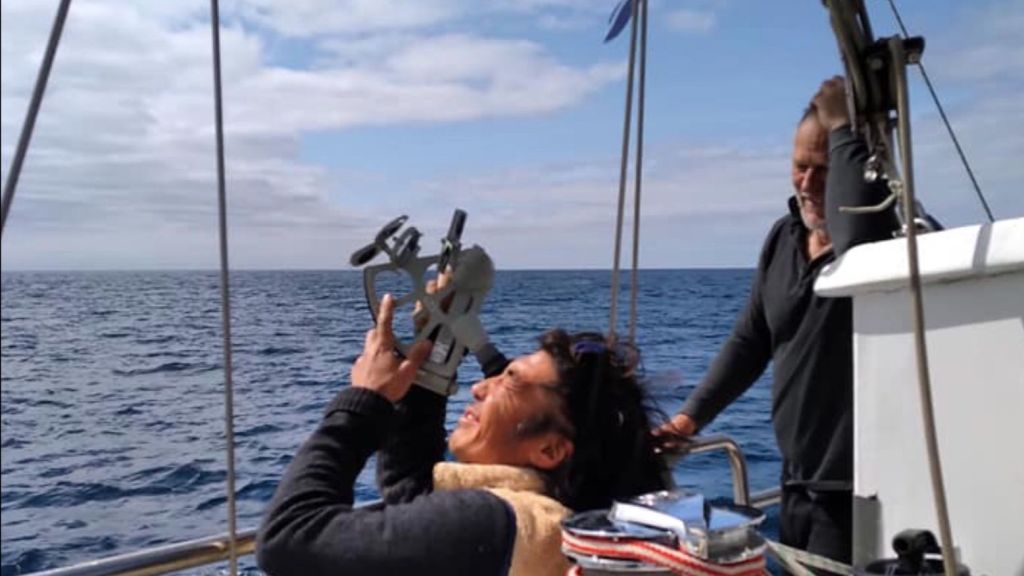
In 2025, great escape sailors and anyone who wants to build their mileage portfolio, will have a unique opportunity to join our seasoned instructor, Martin, on an extraordinary offshore voyage to or from Vanuatu. This is your chance to gain real offshore passage experience, learning from one of the most experienced navigators in the Pacific.
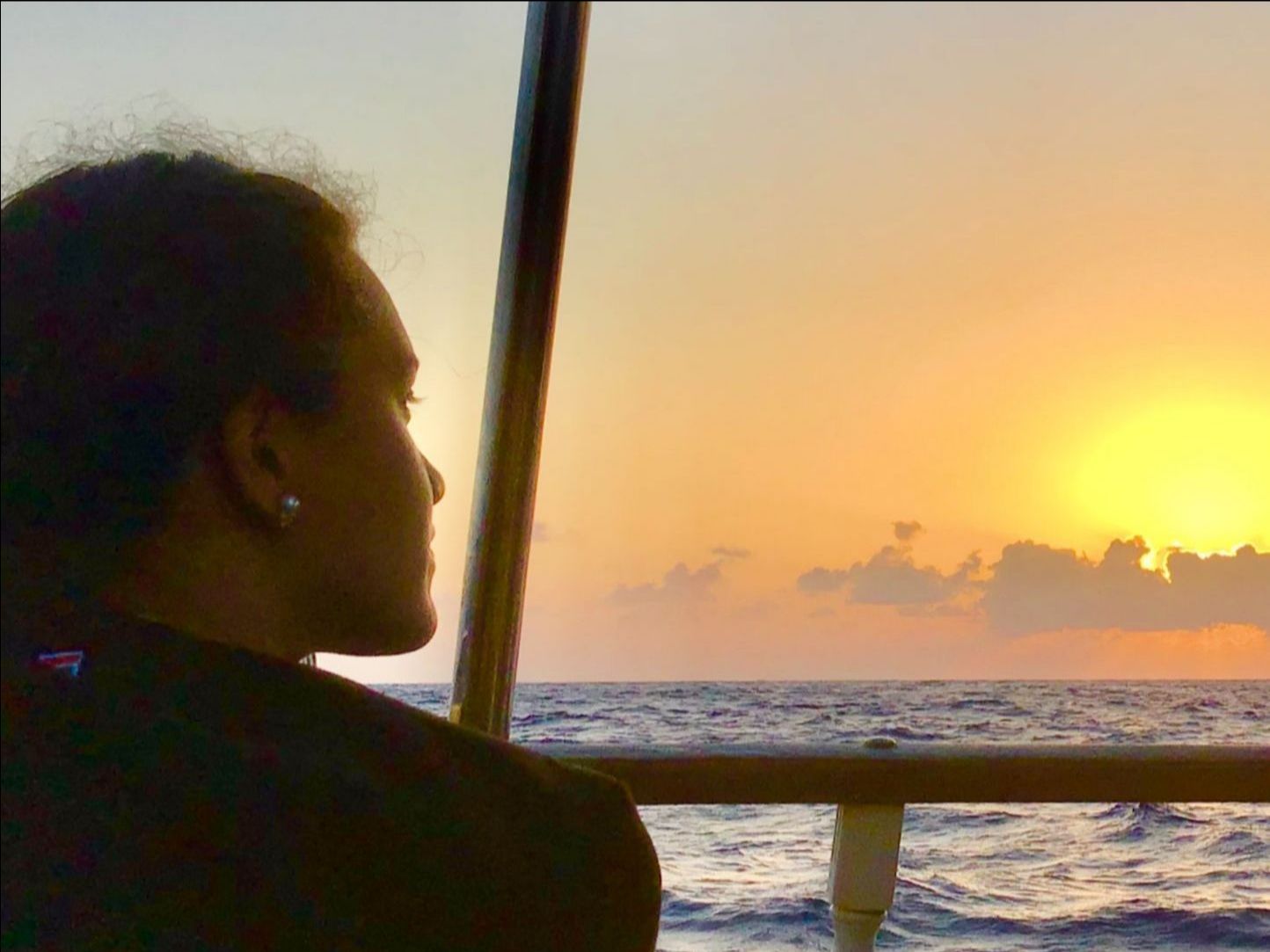
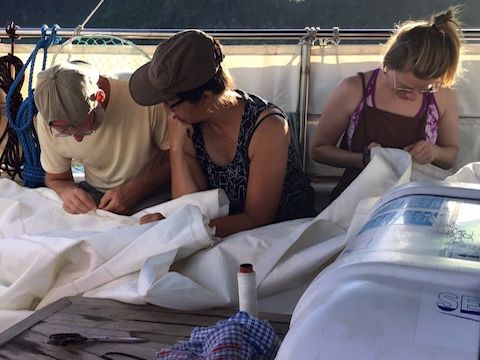
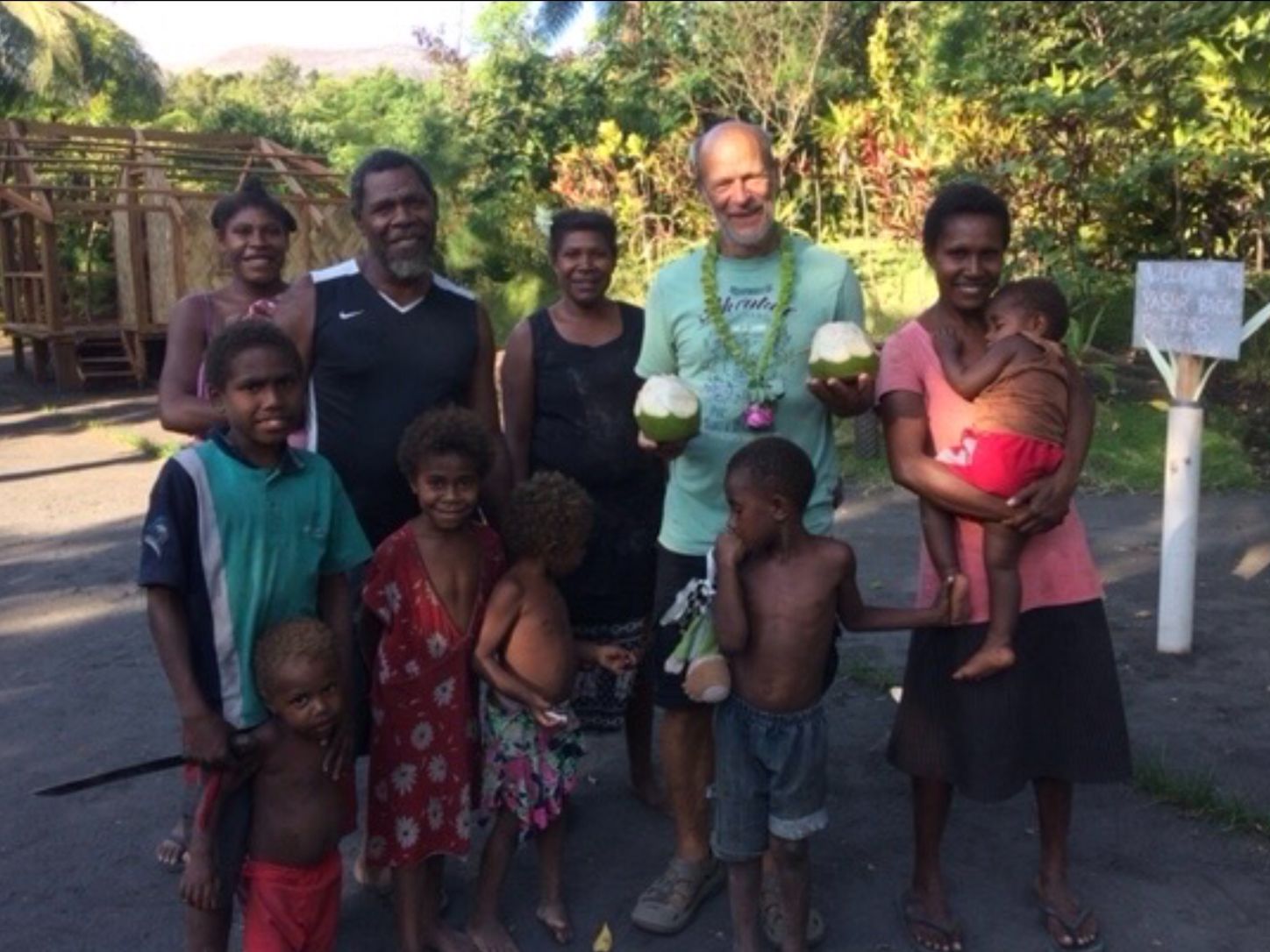
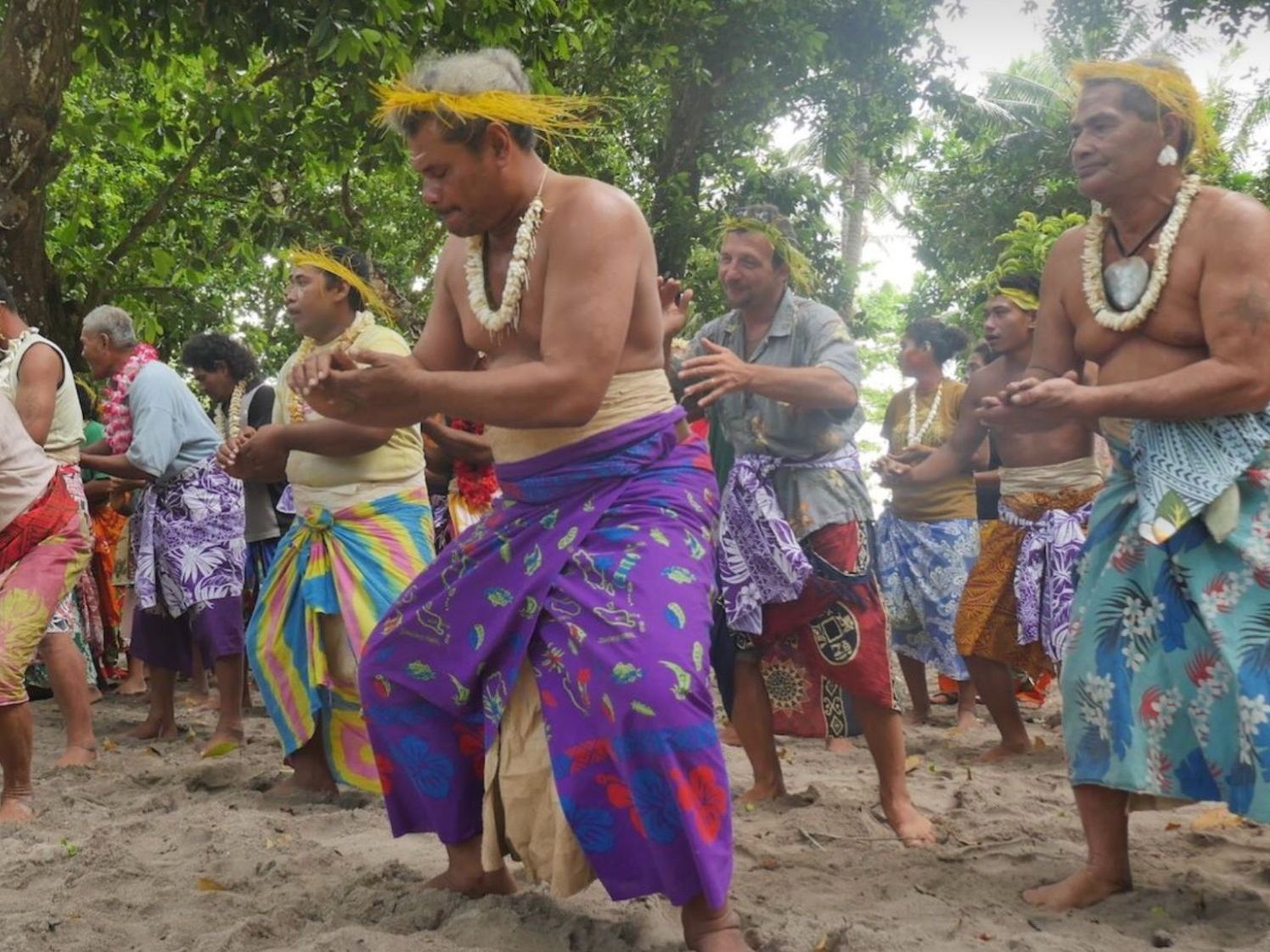
Not only will you sharpen your seamanship and attain valuable sea miles, but you will also become a vital part of the Manawanui Project—contributing to climate resilience efforts in the Temotu region. Ashore you will engage with the rich kastom and culture of the Ni-Vanuatu people, fostering both humanitarian aid and intercultural friendships. This isn’t a passenger cruise—you will be a full-fledged crew member, actively participating in the voyage, navigating, standing watch alongside experienced crew, and contributing to the sailing alongside Martin and an experienced core crew.
Learn more – Register interest
Visit the Manawanui Project website and sign up for the newsletter, register your interest with Great Escape or contact the Manawanui Team directly.
Timing – Plan for 2-3 weeks off work in either August or November 2025.Contribution – As a crew member, you will be expected to cover your own expenses and contribute to the costs of the voyage.
At this stage, we are collecting non-binding registrations of interest. Sign up, and we will follow up with more information as details are confirmed.
Set your course for adventure—berths are limited!
Contact info@manawanuiproject.org to register your interest or subscribe to our newsletter, and we will make sure that you will be updated with an itinerary.
Lata Cultural Voyaging School Food Preparation and Preservation Techniques of Taumako
Marianne ( Mimi George) and her team just happen to work on a project that fits right in with our theme to enhance the resilience against climate change in Temotu. ( a big thank you to Mimi, Betty and Luke who kindly let us use their research and photos to help to raise awareness of the importance of the Manawanui Project)
One of the reasons why these ancient skills of food preservation are under threat are the now more frequent cyclones. Short intervals of destruction do not allow some of the used crop to mature. Mimi is using the breadfruit tree . Our example is the sago palm. Both need many years to grow, but might fall in a cyclone before they are providing a harvest.

This project seeks to document the traditional food preparation and preservation techniques used by the women and men on Taumako for millennia and is slowly dying out but retained by a small portion of women on Taumako. We will document the two major preservation techniques of Kulu (breadfruit) when in season so that it will still be maintained and appreciated by the current youth and women of Taumako and the future generations to come. We want to ensure that these methods of preserving breadfruit are not lost but continue to be practised by Taumakans and others.The preparation and preservations techniques require making and using tools, baskets, and mats during specific stages of the process of growing, selecting, harvesting, cleaning, cutting and cooking the fruits, and either smoking the chips or burying them in a pit with protective leaves from various plants, covering the pit and eventually (maybe after many years) uncovering the pit and eating the fermented product. Every stage of the work is done with ancient techniques that guarantee success. The dried breadfruit is stored in a special figure 8 shaped leaf basket that keeps the fruits fresh for years. Fiber, bark, and cane, cordages and mats made from coconut and Pandanus are needed by workers. Breadfruit in season is overabundant, so it must be preserved to be available later, and especially when disasters strike and food shortage occurs. These foods suit mariners and keep the digestion of starving people healthy until more food can be obtained or grown.
Te Lapa
It is now very likely that SY Manawanui has the opportunity to attract some welcoming funding for our project by being involved in an exciting research work on her way to Temotu.
Here is a bit of background…https://vimeo.com/403052537
Temotu is one of the very few places where the traditional art of Polynesian wayfinding is still alive. In fact one might say there is even a bit of a renaissance and a lot of effort is currently being undertaken to teach this ancient knowledge to young people. In particular in Tamako and the Reef Islands some of the local chiefs are very aware that the responsibility, to keep these cultural treasures alive and preserved, rests on their shoulders.
Virtually all the pacific islands, from the high and large islands to the west down to the tiny dots of the Tuamotus in the east and of course the most remote place like Rapa Nui, Hawaii or the Marquesas Islands had been discovered and settled by peoples that we now know as Polynesians some 1000 years before the Europeans lost their fear of the edge of the world or had even had set eyes on the vast emptiness of our biggest Ocean, the Pacific.
These Polynesian discoveries and the subsequent trading voyages were possible because the method of navigation was very different to the ways of the west.
Most of these methods, whilst they need years of training and practice to be successfully applied, are in their essence easy to understand.
The rising and setting of named stars will define the direction into which to steer the voyaging canoe. The ever-present large wave pattern, created by our climate depending global wind systems lets the navigator feel if his vessel is on course, even if clouds obscure the heavenly bodies for days. And the vicinity of islands will be given away by distinct thermal clouds which might even reflect the colour of the lagoon or follow the shape of mountains long before the island itself comes into sight. Maybe before the clouds can be interpreted, the navigator would have identified some certain birds that are returning to land to roost, before night fall. One of the ever-present big ocean swell might have faded away, blocked or deflected by the near land. A new, by the still invisible Island refracted swell pattern may be felt.
All these natural phenomena, the stars, the swells, the birds the clouds and their colours and shapes or even floating seaweeds will give a well-trained way finder the clues needed to navigate his vessel safe across this big ocean and to produce an accurate landfall on the tiniest Island without the need of a coordinate net of latitude and longitude on paper charts, without a compass, sextant or more modern equipment like Radar or GPS.
All these methods are scientifically sound and understood.
But there is more. There is the practiced art of some very powerful individuals to change the wind. And we will write a separate story about this magical trick.
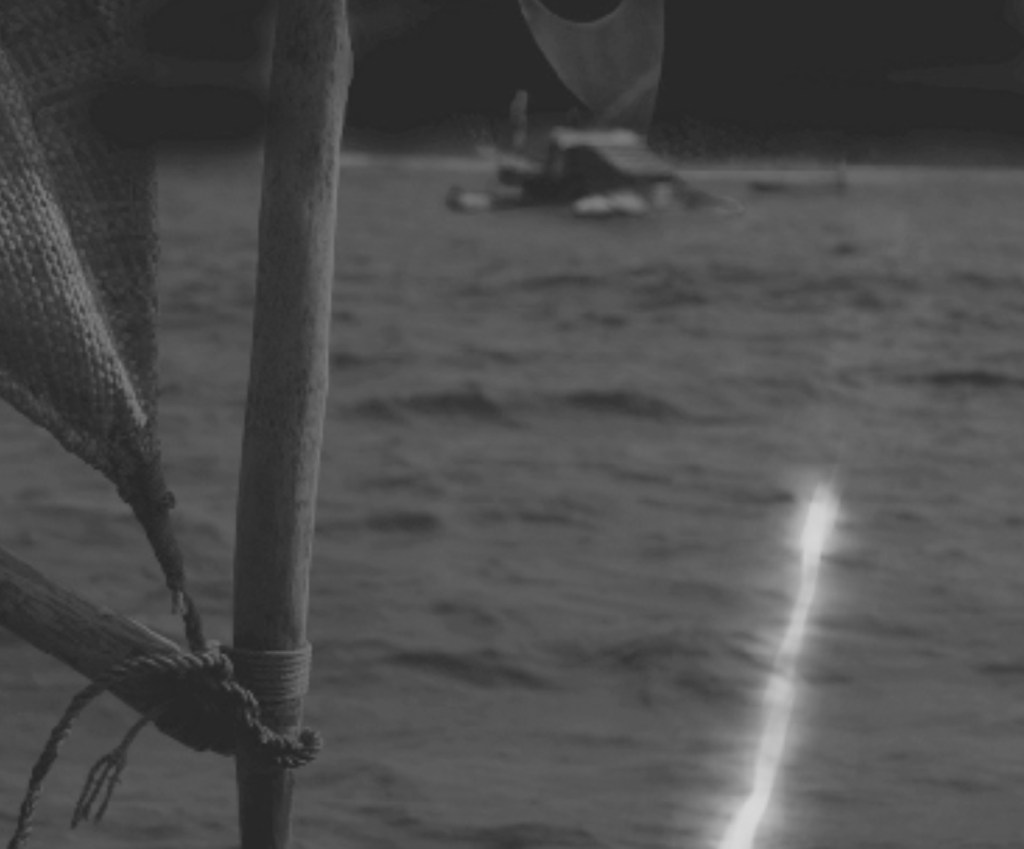
There is also Te Lapa. An elusive light, a guiding flash to give a lost navigator back the confidence that his vessel is watched over by his ancestors and his course can be adjusted back to his destination that seem also to be the origin of Te Lapa.
A true polynesian wayfinder or navigator must know two things. How to steer his vessels by the stars, the swell and the winds. yes, of course. But he must also know magic.
Is Te Lapa some of this magic or is there a scientific verification of this phenomenon possible. There are too many eyewitnesses reports to not believe in its existence. However it has never been recorded, nor is there a satisfactory explanation of what might cause it.
Under the supervision of the cultural anthropologists Dr. Marianne George, her team and with a camera crew we will position SY Manawanui in locations within the waters of Temotu where the lights of Te Lapa are known to be observed. Dr. George is the leading expert of Te Lapa, and apart from the late David Lewis, famous author of the first scientific book about the art of Polynesian wayfinding “We the navigators”, Dr George is probably the only European who has seen Te Lapa. Kyle McDonald, an artist working with the effects of light, will have specialised equipment on board that can be fine tuned to record Te Lapa. Should we be able to catch undisputed evidence of its existence then it should be a lesser step to build a hypothesis of its origins and maybe even condense this into a theory by taking measurements of water, air and other likely sources of this light.
Will it’s magic then be gone?
Is the magic of the stars in the night sky gone, just because we can measure their distance?
Will we ever be able to understand how some can change the wind?
 Manawanui Project